
Spine Surgery
Home › Our Specialities
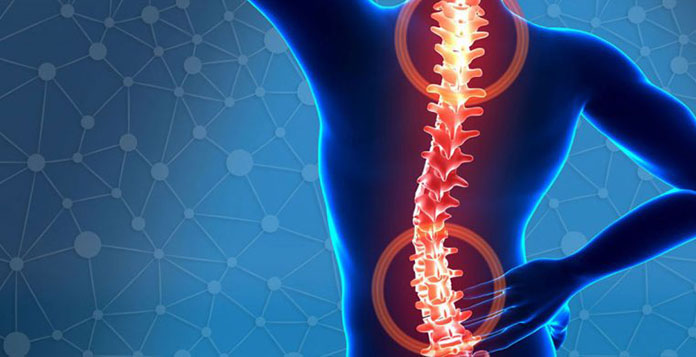
Spine Surgery in Lucknow
Sit upright and relax your spine, take a deep breath in and release it with ease. Have you ever thought of what helps each of these movements to smoothly happen, or what in the human body is responsible for a basic structure? Bones. And the spine is one of the most important when it comes to posture that helps it sitting, standing, sleeping, walking, and every other movement. Any disbalance in the function of the spine can unfavourably affect basic human movements, and lead to complicated problems. If you are looking for Spine Surgeon in Lucknow then Dr. Gaurav Sharma is the one to have a word with.
So, when there is a problem that has started to restrict your movements, you rush to seek professional help for pain relief. But then, by the time you reach for non-surgical improvements, it can happen that you end up being a little late for medication. Nevertheless, your doctor still has a way out, with an option of a spine surgery. So, here’s all that you can know about spine surgeries and how they can be beneficial. But before that, take a quick read about the basics of the spine, the possible problems that can occur, and how they lead to a requirement of a spine surgery.
Spine Anatomy
The spine connects the head to the neck, and the neck to the torso (trunk) and the trunk to the lower body. It is divided into three parts.
1. Cervical (neck)
2. Thoracic (mid-back)
3. Lumbar (lower back)
All the three connected form the spinal cord. Apart from the bones, the spinal cord also comprises of various muscles, ligaments, and nerves that hold, stabilise and support the spine and its function. It is 18 inches long, and has 33 bones that are interlocked. The spinal nerves carry the signals or messages from and to the brain to regulate normal sensation and movement.
What causes problems in the spine?
While talking about the problems of the spine, there are many. However, the main reasons mostly are:
- Trauma injuries
- Age related issues
- Congenital conditions
- Arthritic conditions
- Spinal stenosis
- Herniated disc
Sometimes, there are infections that can affect the spine, or an inflamed overgrowth of the spinal discs that can affect the spinal cord’s functioning, that might lead to the need for getting a spine surgery done. Well, if you are looking for a spine surgery, and you’re still yet to figure out what surgery you might have to go ahead with, here we have a brief outline of the most common types of spine surgeries. Your doctor will also explain which type of spine surgery you will need, in a much more detailed way.
Spine Surgery in Lucknow
Spine surgery is considered for selected spinal conditions when symptoms are severe, neurological problems are present, structural problems require correction, or appropriate non-surgical treatment has not provided adequate improvement. Depending on the diagnosis, treatment may include conservative care, physiotherapy, medicines, injections, spinal decompression or other surgery. The appropriate treatment depends on the patient’s symptoms, examination findings and imaging.
At Orygyn Clinic, Lucknow, spine-related problems are evaluated systematically to understand the source of pain, nerve involvement, spinal stability and functional limitations before discussing surgery.
Spine Surgery in Lucknow
Spine surgery may be recommended for selected spinal conditions causing persistent pain, nerve compression, or reduced mobility when non-surgical treatments no longer provide adequate relief.
Symptoms That May Indicate You Need Spine Surgery
Patients often describe their symptoms in everyday language. Common symptoms include:
Persistent neck or back pain
Pain radiating to the arms or legs
Tingling or numbness in the hands or feet
Weakness in the arms or legs
Difficulty walking or maintaining balance
Pain while sitting or standing for long periods
Difficulty performing daily activities
Pain that disturbs sleep
Loss of flexibility or spinal movement
Symptoms that do not improve with conservative treatment
Persistent neck or back pain
Pain radiating to the arms or legs
Tingling or numbness in the hands or feet
Weakness in the arms or legs
Difficulty walking or maintaining balance
Pain while sitting or standing for long periods
Difficulty performing daily activities
Pain that disturbs sleep
Loss of flexibility or spinal movement
Symptoms that do not improve with conservative treatment
These symptoms alone do not confirm the need for spine surgery. A clinical examination and imaging studies are important before treatment decisions are made.
When Should You Consult a Spine Specialist?
Seek immediate medical attention if you experience:
- Back or neck pain continues despite appropriate initial treatment.
- Pain repeatedly travels into an arm or leg.
- Numbness or tingling persists or increases.
- You notice weakness in an arm or leg.
- Walking or standing becomes increasingly difficult.
- Symptoms interfere with work, sleep or everyday activities.
- Previous treatment has not provided adequate improvement.
- An X-ray, CT or MRI has identified a spinal abnormality.
- You have experienced a significant fall or accident involving the spine.
How Are Spine Problems Diagnosed?
Accurate diagnosis helps determine the most appropriate treatment plan:
Medical History
- Location and duration of pain
- Pain travelling to the arms or legs
- Numbness or tingling
- Weakness
- Previous injuries
- Previous treatments
- Changes in walking or daily activities
Physical Examination
- Spinal movement
- Muscle strength
- Sensation
- Reflexes
- Gait
- Balance
- Neurological function
- Signs of nerve irritation or compression
What Are the Treatment Options for Spine Problems?
Most patients do not require surgery. Treatment is usually approached in stages:
1) Non-Surgical Treatment
- Activity modification
- Appropriate medicines
- Exercise-based rehabilitation
- Physiotherapy
- Posture and movement guidance
- Lifestyle modifications
- Other condition-specific treatments
2) Specialist Non-Surgical Management
- Structured physiotherapy
- Core strengthening exercises
- Spinal support braces (selected patients)
- Epidural steroid injections
- Nerve root block injections
3) Minimally Invasive Spine Procedures
- Endoscopic spine procedures
- Image-guided spinal interventions
- Minimally invasive decompression procedures
4) Spine Surgery
- Persistent nerve compression
- Progressive weakness
- Spinal instability
- Severe spinal stenosis
- Herniated disc causing neurological symptoms
- Failure of conservative treatment
Recovery Expectations
Recovery depends on the spinal condition, the procedure performed, and individual health factors:
Conservative Treatment
Many patients experience gradual improvement with physiotherapy, medications, and activity modification.
After Minimally Invasive Procedures
Recovery is generally quicker, although timelines vary depending on the condition treated.
After Spine Surgery
Recovery includes pain management, physiotherapy, and gradual return to daily activities under medical supervision.
Risks and Limitations of Spine Surgery
Treatment Risks
- Infection
- Bleeding
- Blood clots
- Nerve injury
- Persistent pain
- Anaesthetic complications
Limitations
- Surgery is not required for every spine condition
- Recovery varies between individuals
- Rehabilitation is essential after surgery
- Some spinal conditions may require long-term follow-up
RELATED TREATMENTS
Related Orthopedic Treatments
Spine surgery may be recommended for severe spinal disorders, nerve compression, fractures, or chronic back and neck pain when conservative treatments are no longer effective. Explore related orthopedic treatments that support spinal health and long-term recovery Orygyn Clinic.
Fracture Treatment
Back Pain Treatment
Osteoporosis Treatment
Arthritis Treatment
Neck Pain Treatment
Physiotherapy
Sports Injury Treatment
Trauma Treatment
Frequently Asked Questions
Does every slipped disc require spine surgery?
No. Many people with a herniated disc improve with non-surgical treatment. Surgery may be considered when symptoms persist, neurological problems develop, or clinical and imaging findings indicate a surgically treatable problem.
When is spine surgery recommended?
Surgery may be considered when appropriate non-surgical treatment has not provided sufficient improvement, when there is significant nerve compression or neurological impairment, or when a structural spinal problem requires surgical treatment.
Is MRI necessary for every back-pain patient?
No. MRI is not routinely required for uncomplicated low back pain. Imaging may be considered when clinical findings suggest a specific spinal problem or when imaging is likely to influence treatment decisions.
Can spinal stenosis be treated without surgery?
In some patients, yes. Treatment depends on symptoms, severity and functional limitations. Conservative management may be appropriate initially, while selected patients with persistent nerve-related symptoms may require surgical evaluation.
What is spinal decompression surgery?
Spinal decompression is a group of procedures designed to relieve pressure on neural structures in the spine. Depending on the condition, it may involve procedures such as laminectomy, discectomy or foraminotomy.
How long does recovery after spine surgery take?
There is no single recovery period for all spine procedures. Recovery depends on the operation performed, the underlying condition, neurological involvement and individual health factors. Your surgeon will provide procedure-specific recovery instructions.
Can back pain alone mean that I need surgery?
Not necessarily. Back pain can have many causes, and surgery is appropriate only for selected conditions. A clinical assessment is needed to determine the underlying cause and treatment options.
What symptoms require urgent attention?
Back pain accompanied by new bladder or bowel problems, numbness around the genital or buttock area, or severe/progressive weakness in the legs requires urgent medical assessment because these symptoms can occur with serious nerve compression.
Can I consult an orthopaedic specialist before deciding on surgery?
Yes. A specialist consultation can help establish the diagnosis, review relevant imaging, discuss non-surgical options and determine whether a surgical opinion is appropriate.
Can I return to normal activities after spine surgery?
Many patients gradually return to daily activities following rehabilitation, depending on the type of surgery and individual recovery.
When should I seek urgent medical attention for back or neck pain?
Seek immediate medical attention if you experience severe pain after trauma, sudden weakness, loss of bladder or bowel control, or rapidly worsening neurological symptoms.
Does Orygyn Clinic provide pharmacy support after spine surgery?
Yes. Orygyn Clinic has an in-house pharmacy for patient convenience. Following spine surgery or non-surgical treatment, prescribed medications for pain management and recovery may be available at the clinic pharmacy, subject to availability. Patients also receive guidance on medication use and post-operative follow-up.
Dr. Gaurav Sharma
Chief Orthopedic Specialist
Dr. Gaurav Sharma
Chief Orthopedic Specialist
Why Choose Orygyn Clinic?
- Led by Dr. Gaurav Sharma, MMBS, MS Orthopaedics, Fellowship in Arthroplasty, Fellowship in Arthroscopy
- Trained at Medanta, Gurgaon and Kokilaben Dhirubhai Ambani Hospital, Mumbai.
- Specialist in Joint replacement Surgery
- Modern operation theatre with laminar flow (infection control standard for joint surgery)
- Full orthopaedic and gynaecology facility under one roof
- Structured pre-operative, intra-operative, and post-operative protocols
- Dedicated physiotherapy support for rehabilitation
Dr. Gaurav Sharma
Dr. Gaurav Sharma is one of the best Orthopedic Surgeon in Lucknow. He is well known to provide patient-focused care and excellence in treating all conditions of Knee, Shoulder & other Orthopaedic problems.
Our Specialities
Dr. Ruchi Garg
Dr. Ruchi Garg is a dedicated Senior Obstetrician, Gynaecologist and Laparoscopy Surgeon with 23+ years of vast experience in clinical practice, surgeries & academics. She is well known for preferring & successfully conducting Normal Deliveries, even for her High-Risk Pregnancy Patients.