
Shoulder Replacement Surgery
Home › Our Specialities
Shoulder Replacement Surgery in Lucknow
There are many simple actions that your shoulder is involved in. Think about everything that you do, right from the time you wake up in the morning. Be it brushing, or combing your hair, or even while reaching out to the table to pick your cup of coffee, your shoulders are important. In fact, it is often associated with emotions. But then, it is also one of the most ignored part when it comes to problems, unless the problem is way beyond being just painful.
The Shoulder Joint
The shoulder is a ball and socket joint, where your upper arm (humerus) connects to your body, and has a range of motions allowing you to move it up and down, side to side, forward and back, and, in a full circle too. It has muscles and tendons surrounding the ball and socket joint that hold the arm.
What could lead to a shoulder surgery is again quite similar to other bone conditions such as arthritis, trauma injuries, bursitis, and other bone inflammatory conditions. Here’s a list of the top three reasons that lead to a shoulder surgery.
1. Severe Arthritis
2. Trauma Injury
3. Rotator cuff tear
Severe arthritis and injury are quite common conditions where the bones either have a fracture, or start degenerating after a possible infection that develops. But a rotator cuff tear involves an injury caused by extreme pressure and stress on the shoulder, where the muscles and tendons that support the shoulder joint get damaged. This could lead your bones to loose stability and wear off faster, that makes it difficult for you to perform any activity.
Are you looking forward to get a shoulder surgery done?
If you are thinking of a shoulder surgery, you have to be sure enough you really want it. After all it is an important part of your body, and plays a significant role in the most important things you do each minute.
A shoulder surgery involves the initial assessment of your condition, following certain diagnostic tests and screenings to determine the severity of the condition. This will help your surgeon to decide which type of shoulder arthroplasty will be suitable in your case. The three traditional types of a shoulder arthroplasty are:
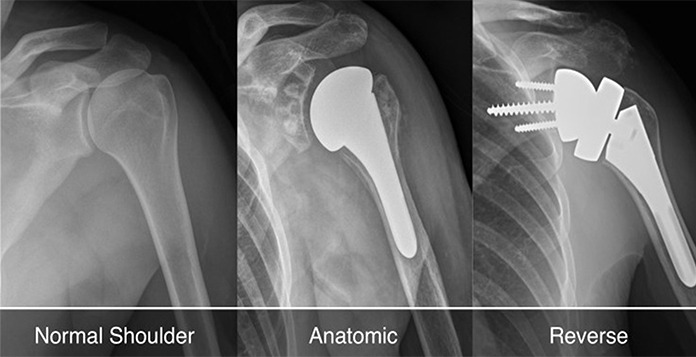
1. Total Shoulder Arthroplasty – A total shoulder replacement involves the ball on top of the upper arm (humerus) being replaced with a metal prosthesis, and the socket is covered with a plastic surface. Also, a total shoulder arthroplasty is the most common type of shoulder surgery.
2. Partial Shoulder Arthroplasty – A partial shoulder arthroplasty involves only the ball of the joint being replaced, which is a smaller surgery as compared to the other types.
3. Reverse Shoulder Arthroplasty – This is usually done when you have a rotator cuff tear. Apart from that, it is also done as a correction to a previous shoulder surgery that probably did not work. A reverse shoulder surgery involves the ball being attached to the shoulder bones, and the socket is attached from the top of your upper arm.
Shoulder Replacement Surgery in Lucknow
Shoulder replacement surgery, also called shoulder arthroplasty, is an orthopedic procedure used to replace damaged parts of the shoulder joint with artificial components. It may be considered when severe shoulder arthritis, joint damage, fractures, osteonecrosis, or certain rotator cuff-related conditions cause persistent pain and loss of function despite appropriate non-surgical treatment.
At Orygyn Clinic, Gomti Nagar, Lucknow, Dr. Gaurav Sharma provides orthopedic evaluation for shoulder disorders, joint replacement, arthroscopy, and related conditions. The clinic describes Dr. Sharma as a Consultant Orthopaedic Trauma & Joint Replacement Surgeon with a focus on shoulder, knee, and other orthopedic problems.
The decision to undergo shoulder replacement is not based on an X-ray alone. Symptoms, physical examination, imaging findings, previous treatment, overall health, shoulder function, and the patient’s individual goals all need to be considered.
Shoulder Replacement Surgery in Lucknow
Shoulder replacement surgery, also called shoulder arthroplasty, is an orthopedic procedure used to replace damaged parts of the shoulder joint with artificial components. It may be considered when severe shoulder arthritis, joint damage, fractures, osteonecrosis, or certain rotator cuff-related conditions cause persistent pain and loss of function despite appropriate non-surgical treatment.
At Orygyn Clinic, Gomti Nagar, Lucknow, Dr. Gaurav Sharma provides orthopedic evaluation for shoulder disorders, joint replacement, arthroscopy, and related conditions. The clinic describes Dr. Sharma as a Consultant Orthopaedic Trauma & Joint Replacement Surgeon with a focus on shoulder, knee, and other orthopedic problems.
The decision to undergo shoulder replacement is not based on an X-ray alone. Symptoms, physical examination, imaging findings, previous treatment, overall health, shoulder function, and the patient’s individual goals all need to be considered.
Symptoms That May Indicate You Need Shoulder Replacement
Patients often describe their symptoms in everyday language. Common symptoms include:
Persistent shoulder pain
Pain while lifting the arm
Difficulty reaching overhead
Difficulty combing hair or dressing
Pain while sleeping
Shoulder stiffness
Weakness while lifting objects
Grinding or clicking sensations
Reduced shoulder movement
Difficulty performing everyday activities
Persistent shoulder pain
Pain while lifting the arm
Difficulty reaching overhead
Difficulty combing hair or dressing
Pain while sleeping
Shoulder stiffness
Weakness while lifting objects
Grinding or clicking sensations
Reduced shoulder movement
Difficulty performing everyday activities
These symptoms alone do not confirm the need for surgery. A clinical examination and imaging studies are important before treatment decisions are made.
When Should You See an Orthopedic Doctor?
Seek immediate medical attention if you experience:
- A major fall or accident
- Suspected shoulder fracture
- Suspected shoulder dislocation
- Inability to move the arm after an injury
- Severe swelling following trauma
- An open wound around the shoulder
- Fever with a painful and swollen joint
- Sudden weakness or numbness in the arm
- Rapid worsening of severe shoulder symptoms
How Is Shoulder Replacement Diagnosed?
Accurate diagnosis helps determine the most appropriate treatment plan:
Clinical Examination
- Shoulder range of motion
- Muscle strength
- Rotator cuff function
- Shoulder stability
- Joint tenderness
- Pain during specific movements
- Ability to perform everyday activities
- Previous shoulder injuries and surgeries
Imaging and Investigations
- X-ray
- MRI
- CT scan
- Blood tests
- Bone-quality assessment when clinically indicated
Treatment Options Before Shoulder Replacement
Recovery varies depending on the underlying condition and treatment provided:
1) Activity Modification and Medicines
- Avoiding movements that aggravate symptoms
- Modifying overhead activities
- Pain-relieving medicines when prescribed
- Anti-inflammatory medicines when appropriate
- Ice or heat therapy
2) Physiotherapy and Rehabilitation
- Shoulder mobility
- Muscle strengthening
- Rotator cuff conditioning
- Postural correction
- Functional movement
- Home exercise programmes
3) injection-Based Treatment
- Corticosteroid injections
- Other injection-based treatments when clinically appropriate
4) Shoulder Replacement
- Joint damage is advanced
- Pain remains significant
- Shoulder function is substantially reduced
- Sleep or daily activities are affected
- Appropriate non-surgical treatment has not provided sufficient relief
- The patient’s clinical findings support replacement
Recovery Expectations
Recovery varies depending on the diagnosis and treatment provided:
Early Recovery
The arm may remain in a sling for a period recommended by the surgeon. Early exercises may focus on maintaining movement in the hand, wrist, and elbow and protecting the operated shoulder.
Rehabilitation
- Shoulder mobility exercises
- Muscle activation
- Strengthening
- Functional movement
- Activity-specific rehabilitation
Returning to Daily Activities
Patients usually return to activities gradually. Light activities may become possible before full shoulder recovery. Heavy lifting and high-impact activities may remain restricted depending on the surgery and surgeon’s advice.
Risks and Limitations of Shoulder Replacement
Possible Surgical Risks
- Infection
- Bleeding
- Blood clots
- Nerve or blood-vessel injury
- Anaesthetic complications
- Implant loosening
- Shoulder instability or dislocation
- Fracture around the implant
- Persistent pain or stiffness
- Need for revision surgery
Recovery can vary because of
- Pre-operative shoulder stiffness
- Rotator cuff condition
- Bone quality
- Age and general health
- Previous shoulder surgery
- Implant fixation
- Rehabilitation participation
- Type of shoulder replacement
RELATED TREATMENTS
Related Orthopedic Treatments
Shoulder replacement surgery is recommended for severe shoulder arthritis, fractures, or irreversible joint damage when non-surgical treatments no longer provide lasting relief. Explore related orthopedic treatments that help reduce pain, restore shoulder function, and improve quality of life Orygyn Clinic.
Shoulder Arthroscopy
Arthritis Treatment
Fracture Treatment
Trauma Treatment
Shoulder Pain Treatment
Physiotherapy
Sports Injury Treatment
Osteoporosis Treatment
Frequently Asked Questions
When is shoulder replacement surgery recommended?
Shoulder replacement may be recommended when severe pain and stiffness continue despite medications, physiotherapy, injections, and other non-surgical treatments.
What conditions may require shoulder replacement surgery?
Advanced osteoarthritis, rheumatoid arthritis, severe shoulder fractures, avascular necrosis, and certain rotator cuff-related conditions may require shoulder replacement.
Can shoulder pain be treated without surgery?
Yes. Many patients improve with medications, physiotherapy, activity modification, and injection therapies.
How is shoulder replacement diagnosed?
Diagnosis usually includes a clinical examination, X-rays, MRI scans when required, and other investigations based on the patient’s condition.
What types of shoulder replacement surgery are available?
Depending on the condition, treatment may include total shoulder replacement, partial shoulder replacement, or reverse shoulder replacement.
Why choose Dr. Gaurav Sharma for shoulder replacement surgery in Lucknow?
Dr. Gaurav Sharma carefully evaluates your shoulder condition using a detailed clinical examination and appropriate imaging before recommending surgery. If shoulder replacement is advised, he explains the procedure, available treatment options, expected recovery, and post-operative rehabilitation to help you make an informed decision.
How long does recovery take after shoulder replacement surgery?
Recovery varies between patients. Rehabilitation and physiotherapy play an important role in restoring movement and strength.
Is physiotherapy necessary after shoulder replacement surgery?
Yes. Physiotherapy helps improve shoulder mobility, muscle strength, and functional recovery after surgery.
What are the risks of shoulder replacement surgery?
Potential risks include infection, implant loosening, nerve injury, shoulder instability, blood clots, and the possibility of revision surgery.
How long does a shoulder replacement implant last?
Modern shoulder replacement implants often last many years, depending on age, activity level, implant type, and overall health.
When should I seek urgent medical attention for shoulder pain?
Seek immediate medical attention if you have severe pain after trauma, a suspected fracture or dislocation, inability to move the shoulder, or fever with a swollen shoulder joint.
Does Orygyn Clinic provide pharmacy support after shoulder replacement surgery?
Yes. Orygyn Clinic has an in-house pharmacy for patient convenience. Following shoulder replacement surgery or non-surgical treatment, prescribed medications may be available at the clinic pharmacy, subject to availability. Patients also receive guidance on medication use and follow-up care.
Dr. Gaurav Sharma
Chief Orthopedic Specialist
Dr. Gaurav Sharma
Chief Orthopedic Specialist
Why Choose Orygyn Clinic?
- Led by Dr. Gaurav Sharma, MMBS, MS Orthopaedics, Fellowship in Arthroplasty, Fellowship in Arthroscopy
- Trained at Medanta, Gurgaon and Kokilaben Dhirubhai Ambani Hospital, Mumbai.
- Specialist in Joint replacement Surgery
- Modern operation theatre with laminar flow (infection control standard for joint surgery)
- Full orthopaedic and gynaecology facility under one roof
- Structured pre-operative, intra-operative, and post-operative protocols
- Dedicated physiotherapy support for rehabilitation
Dr. Gaurav Sharma
Dr. Gaurav Sharma is one of the best Orthopedic Surgeon in Lucknow. He is well known to provide patient-focused care and excellence in treating all conditions of Knee, Shoulder & other Orthopaedic problems.
Our Specialities
Dr. Ruchi Garg
Dr. Ruchi Garg is a dedicated Senior Obstetrician, Gynaecologist and Laparoscopy Surgeon with 23+ years of vast experience in clinical practice, surgeries & academics. She is well known for preferring & successfully conducting Normal Deliveries, even for her High-Risk Pregnancy Patients.