
Knee Replacement Surgery
Home › Our Specialities
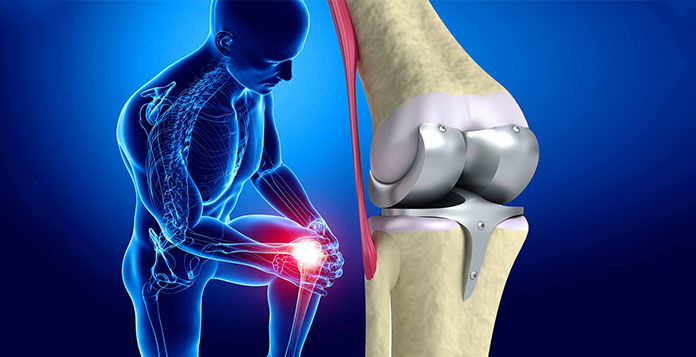
Total Knee Replacement Surgery
Knee Replacement Surgery is nothing but removing damage part of knee and replace it with artificial metal joint. Dr. Gaurav Sharma is Renowned Knee Replacement Surgeon in Lucknowand specialised in performing knee joint replacement surgeries. operating surgery, surgeon will diagnose the condition of patient and and decides to go whether it is total knee replacement or partial knee replacement.
Knees play a significant role in movement. Each movement that you make from one place to another is dependent on your legs. So, if your knees are in pain, your movement is automatically restricted. So, what do you do when you experience Knee Joint Pain? Exercise, or probably go in for some treatment that can help you get some pain relief. But then, does it really help when you take medicines? Or, how long can you avoid the pain?
You might have to get yourself something more if your pain has become a chronic affair. So, for that, you’ll have to check how severe the pain is and how long you’ve been experiencing it. You might have to get a knee replacement surgery in case you are diagnosed with a condition that can cause you discomfort, and you’ve reached the right place when it comes to treating your knee joints. Here, we can guide you through on the basics of a knee replacement surgery.
Let’s first look at the knee.
The knee is the largest and one of the most complex joints in the entire body and is often referred as the junction where the thigh bone (femur) and the shin bone meet and help the body move from one place to another. The knee comprises of the following:
- Anterior and posterior ligaments
- Bones – The thigh and the shin bones, the knee cap (patella)
- Cartilage on the surface of the bones that are joining (for smooth functioning)
- Tendons
There is also a sac that secretes a lubricating fluid placed between the femur and the shin bones, which cushions them and allows smooth functioning. Sometimes you might experience dryness in the joint while moving which results in throbbing pain. Walking or even the smallest of the movement becomes difficult, and that’s when you need some oiling for your joints.
What causes knee joint pains?
There are many reasons that can be significant contributors to joint pains. Listed are some of the most common conditions that also lead to a lot many complications for which a knee replacement surgery becomes a necessity.
1. Obesity – Obesity is one of the most common causes of the knee joint getting affected to a large extent. The entire body weight falls on the knees adding a lot of pressure on the joint, which leads to stiffness, inflammation, and damage to the knee cartilage. This, over a period, might lead to the need for a knee replacement surgery.
2. Osteoarthritis – Osteoarthritis can be referred to an age related condition. It causes the knee cartilage to wear off with age and the bones start rubbing against each other. Pain and stiffness are common symptoms that you will notice. It usually occurs in people over the age of 50 and can lead to the cartilage completely getting damaged that brings the need for a knee replacement.
3. Rheumatoid arthritis – Rheumatoid arthritis is an autoimmune condition where the defensive cells attack the healthy cells by mistake. This can affect any part of the body, and bones are the most affected. The articular cartilage completely wears of and causes pain, stiffness and extreme inflammation causing swelling around the knee joint.
4. Trauma – If you’ve had a very serious injury that has affected your knee joint, probably with fractures, you might have a possibility of having the tendons and ligaments damaged too. This can lead to the cartilage getting severely damaged over time causing you a lot of pain and stiffness. As a result you might need to get your knee replaced.
Every treatment will have a list of goods and bads, and when it comes to a treatment that requires you to go under the knife, it is bound to be a little painful. A knee replacement surgery is one among these surgical treatments that involves some amount of pain, but can relieve you from Chronic Knee Pain. So, here’s what it is.
What is a knee replacement surgery?
A surgical intervention called knee arthroplasty in medical terms and involves slicing out the damaged or decayed area of the knee joint and replacing it with a metal or plastic replacement joint. This artificial joint is specially designed to function as naturally as a natural joint.
The procedure involves your consultation and joint assessment as the first step of your treatment. This is the most important part and Dr. Madhu thumu, no doubt is known to be one of the best in assessing your condition. There are various types of knee replacement surgeries and they depend on the degree of damage that your knee joint has.
1. Total knee replacement: A total knee replacement surgery, also known as a primary knee replacement involves the entire joint to be replaced. It provides complete relief from pain and aids in smooth functioning of the knee. Post-surgery care plays an imperative role in alleviating pain and promoting better functionality and mobility.
2. Partial knee replacement: A partial or unicompartmental knee replacement surgery involves a small part of the cartilage being replaced with a plastic or metal prosthesis. It preserves the natural bones apart from the part that is damaged. It is performed with a smaller incision, and hence, causes less blood loss and less pain too.
3. Complex knee replacement: A complex knee replacement is usually done in case you have an extremely painful arthritic condition that leads to the damage of the bones, muscles, tendons and ligaments which aid in the mobility of the knee joint. You might also need a complex knee replacement in case you have a previous under healed knee replacement surgery. A complex knee replacement surgery is a complex surgery which involves various complex implants that aid in bringing better range of motion.
4. High flex knee replacement: This is usually done for people suffering from osteoarthritis, yet desire to have a higher range of knee flexibility and motion. People who opt for a high flex knee replacement surgery are those who get back into an active lifestyle post surgery, or sports personalities.
5. Revision knee replacement: A revision knee replacement refers to a redo of a previous surgery. This is either done if the previous knee replacement fails or if the implanted prosthesis wears off over a period.
Advanced Knee Replacement Surgery in Lucknow
Knee replacement is generally considered after the cause and severity of symptoms have been evaluated and appropriate non-surgical treatments have not provided sufficient improvement. The decision should be based on symptoms, function, examination, investigations, overall health, and patient goals rather than an X-ray alone. AAOS describes knee arthroplasty as a treatment for symptomatic knee osteoarthritis and emphasizes individualized clinical decision-making.
At Orygyn Clinic, Gomti Nagar, Lucknow, Dr. Gaurav Sharma provides orthopedic evaluation and joint replacement care. His published profile identifies him as a Consultant Orthopaedic Trauma & Joint Replacement Surgeon and documents fellowship training in arthroplasty at Medanta Hospital, Gurgaon.
Advanced Knee Replacement Surgery in Lucknow
Restoring mobility and quality of life through precision-led surgical care with
Dr. Gaurav Sharma. Experience the next generation of knee arthroplasty with
personalized treatment plans.
Symptoms That May Indicate You Need Knee Replacement
Patients often describe their knee problems in everyday language. The following are warning signs that your knee joint may be significantly damaged and warrants specialist assessment:
Stiffness in the morning lasting more than 30 minutes
Knee giving way or feeling unstable during walking
A locking or catching sensation when you bend or straighten the knee
Bowing of the leg or visible deformity of the knee
Difficulty rising from a chair or getting in and out of a car
Dependence on a walking stick or support where none was needed before
Knee giving way or feeling unstable during walking
Swelling and warmth around the knee that does not settle with rest
Pain while climbing or descending stairs
Night pain that disturbs sleep
Inability to walk more than a few hundred metres without stopping
Stiffness in the morning lasting more than 30 minutes
Knee giving way or feeling unstable during walking
A locking or catching sensation when you bend or straighten the knee
Bowing of the leg or visible deformity of the knee
Difficulty rising from a chair or getting in and out of a car
Dependence on a walking stick or support where none was needed before
Knee giving way or feeling unstable during walking
Swelling and warmth around the knee that does not settle with rest
Pain while climbing or descending stairs
Night pain that disturbs sleep
Inability to walk more than a few hundred metres without stopping
These symptoms alone do not confirm the need for surgery. A surgeon’s clinical examination, combined with imaging is essential before any decision is made.
When Should You Seek Urgent Medical Attention?
While knee pain is often a gradual process, certain situations require prompt medical attention. Do not delay if you experience:
- Severe knee pain after a fall or accident
- Suspected fracture
- Inability to bear weight after trauma
- Sudden severe swelling
- A visibly deformed knee
- Suspected knee dislocation
- Fever with a hot, red, painful swollen knee
- Open wounds around the joint
- Sudden severe worsening of previously manageable symptoms
- New numbness or weakness in the leg or foot
How Is the Need for Knee Replacement Diagnosed?
Accurate diagnosis guides the right treatment choice. At Orygyn Clinic, the process includes:
Clinical Examination
- Knee range of motion
- Walking pattern
- Knee alignment
- Joint tenderness
- Swelling
- Stability assessment
- Muscle strength
- Ligament examination
- Functional assessment
- Assessment of the hip and surrounding joints when appropriate
Imaging and Investigations
- Weight-bearing X-rays
- Standing alignment X-rays
- Other specialized X-rays
- MRI in selected cases
- CT scan when required for specific planning
- Blood tests when clinically indicated
- Pre-operative medical investigations
Treatment Options Before Knee Replacement
Most patients do not require surgery. Treatment is usually approached in stages:
1) Activity Modification
- Reducing high-impact activity
- Using lower-impact exercise
- Taking appropriate rest periods
- Avoiding activities that consistently aggravate symptoms
2) Medicines
- Pain-relieving medicines
- Anti-inflammatory medicines
- Other prescribed medicines
3) Physiotherapy and Exercise
- Quadriceps strengthening
- Hip strengthening
- Knee mobility
- Flexibility
- Balance
- Walking mechanics
- Functional exercises
4) Knee Replacement
- Severe persistent pain
- Limited walking distance
- Sleep disturbance
- Visible deformity
- Advanced arthritis on X-rays
Risks and Limitations of Knee Replacement Surgery
Possible Risks
- Infection
- Blood clots
- Bleeding
- Knee stiffness
- Persistent pain
- Nerve or blood-vessel injury
Important Limitations
- Some stiffness
- Mild discomfort
- Difficulty with certain high-impact activities
- Reduced ability to kneel comfortably
- Muscle weakness during early recovery
Knee-Specific Risks
- Infection – the most feared complication; risk is 1–2% but requires thorough pre-operative screening and operative sterility
- Stiffness – inadequate physiotherapy or scar tissue formation can limit range of motion
- Implant loosening over time – well-fixed implants last 15–20 years in most patients
- Nerve or blood vessel injury – rare but possible
- Persistent pain despite surgery in a minority of patients
- Leg length discrepancy – usually minor and well-tolerated
RELATED TREATMENTS
Related Orthopedic Treatments
Knee replacement surgery is recommended for severe arthritis or advanced joint damage when non-surgical treatments no longer provide relief. Explore related orthopedic treatments that may help improve mobility, reduce pain, and support long-term joint health at Orygyn Clinic.
Knee Pain Treatment
Arthritis Treatment
Knee Arthroscopy
Hip Replacement Surgery
Fracture Treatment
Physiotherapy
Sports Injury Treatment
Osteoporosis Treatment
Frequently Asked Questions
When is knee replacement surgery recommended?
Knee replacement surgery may be recommended when severe knee pain, stiffness, or joint damage continues to affect daily activities despite medications, physiotherapy, injections, and lifestyle modifications. A clinical examination and imaging studies help determine whether surgery is appropriate.
What are the common signs that I may need a knee replacement?
Common signs include persistent knee pain while walking, difficulty climbing stairs, morning stiffness, swelling, knee instability, deformity, reduced walking distance, and pain that interferes with sleep or daily activities.
What causes severe knee arthritis?
Severe knee arthritis may develop due to osteoarthritis, rheumatoid arthritis, previous knee injuries, post-traumatic arthritis, obesity, ageing, or long-term wear and tear of the knee joint.
How is knee replacement surgery diagnosed?
Diagnosis involves a clinical examination, weight-bearing X-rays, and, in selected cases, MRI scans, blood tests, DEXA scans, and functional assessments to evaluate joint damage and overall knee function.
Can knee pain be treated without surgery?
Yes. Many patients benefit from non-surgical treatment such as weight management, physiotherapy, medications, knee braces, activity modification, and injection therapies. Surgery is generally considered only when these treatments no longer provide adequate relief.
How long does recovery take after knee replacement surgery?
Recovery varies from person to person. Many patients begin assisted walking within 24 hours after surgery, while routine daily activities may gradually resume over the following weeks. Full recovery depends on individual health, rehabilitation, and the type of surgery performed.
Can I get a personalised treatment plan from Dr. Gaurav Sharma before deciding on surgery?
Yes. Dr. Gaurav Sharma believes in evidence-based, patient-centred care. Every patient undergoes a detailed clinical evaluation, review of imaging, and discussion of treatment options. Whenever appropriate, non-surgical treatments are considered before recommending surgery.
Is physiotherapy necessary after knee replacement surgery?
Yes. Physiotherapy plays an important role in improving strength, flexibility, balance, and walking ability. Following the prescribed rehabilitation programme may help achieve better long-term function.
What are the risks of knee replacement surgery?
Like any major operation, knee replacement surgery carries potential risks, including infection, blood clots, stiffness, implant loosening, nerve or blood vessel injury, persistent pain, and the possibility of revision surgery in the future.
How long does a knee replacement implant last?
Modern knee replacement implants often function well for 15–20 years or longer. Implant longevity depends on factors such as age, activity level, body weight, implant type, and overall joint health.
Can both knees be replaced at the same time?
Some patients may be suitable for bilateral knee replacement surgery. The decision depends on overall health, fitness for surgery, severity of arthritis, and the surgeon’s clinical assessment.
When should I seek urgent medical attention for knee pain?
Seek immediate medical attention if you experience severe pain after a fall or accident, inability to bear weight, significant swelling, fever with a hot and swollen knee, an open wound near the joint, or sudden worsening of symptoms.
Why should I choose Orygyn Clinic for knee replacement treatment?
Dr. Gaurav Sharma provides evidence-based orthopaedic care with comprehensive evaluation, personalised treatment planning, modern surgical techniques, structured rehabilitation, and continued follow-up to help patients make informed treatment decisions.
Why choose Dr. Gaurav Sharma for knee pain treatment in Lucknow?
Dr. Gaurav Sharma is an Orthopaedic Surgeon with specialised training in joint replacement and arthroscopy. He follows an evidence-based approach, beginning with a detailed clinical evaluation and recommending personalised treatment plans based on the patient’s diagnosis, symptoms, lifestyle, and treatment goals.
Dr. Gaurav Sharma
Chief Orthopedic Specialist
Dr. Gaurav Sharma
Chief Orthopedic Specialist
Why Choose Orygyn Clinic?
- Led by Dr. Gaurav Sharma, MMBS, MS Orthopaedics, Fellowship in Arthroplasty, Fellowship in Arthroscopy
- Trained at Medanta, Gurgaon and Kokilaben Dhirubhai Ambani Hospital, Mumbai.
- Specialist in Joint replacement Surgery
- Modern operation theatre with laminar flow (infection control standard for joint surgery)
- Full orthopaedic and gynaecology facility under one roof
- Structured pre-operative, intra-operative, and post-operative protocols
- Dedicated physiotherapy support for rehabilitation
Dr. Gaurav Sharma
Dr. Gaurav Sharma is one of the best Orthopedic Surgeon in Lucknow. He is well known to provide patient-focused care and excellence in treating all conditions of Knee, Shoulder & other Orthopaedic problems.
Our Specialities
Dr. Ruchi Garg
Dr. Ruchi Garg is a dedicated Senior Obstetrician, Gynaecologist and Laparoscopy Surgeon with 23+ years of vast experience in clinical practice, surgeries & academics. She is well known for preferring & successfully conducting Normal Deliveries, even for her High-Risk Pregnancy Patients.