
Arthroscopic Shoulder Surgery
Home › Our Specialities
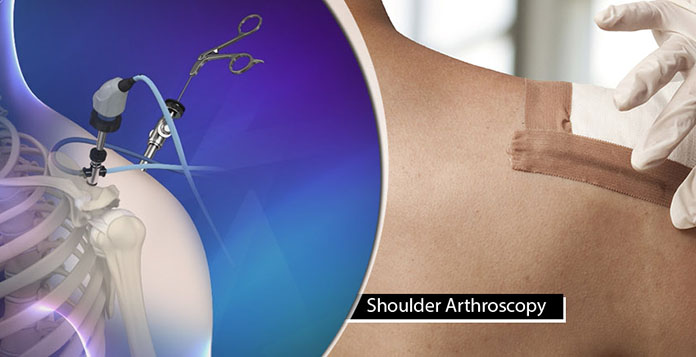
Arthroscopic Shoulder Surgery in Lucknow
Arthroscopic shoulder surgery is a procedure done by orthopedic surgeon to visualise, diagnose and repair problems in the shoulder joints. This surgery is performed using a small camera called an arthroscope. The Arthroscope contains a light source and magnifying lenses to capture the images of the joints. The camera is inserted through small incisions of the skin.
Who Should Undergo Shoulder Arthroscopy?
Shoulder arthroscopy is performed for patients whose shoulder problems are not responding to non-surgical procedures such as medication, therapy, rest and injections. This surgery is usually performed to treat various shoulder problems such as:
- Arthritis
- Rotator cuff tears
- Shoulder Instability
- Bursitis
- Tendonitis
- Damaged cartilage
- Bone dislocation
Who Should Undergo Shoulder Arthroscopy?
Though you are suffering from any of the above-mentioned conditions or any shoulder injury, always consult a doctor to discuss the treatment methods for your condition.
1. Arthritis –Arthritis refers to a condition where there is inflammation in the bones that completely damages the cartilage. This leads to pain which gradually increases and it becomes difficult to move. It feels like the bones have rusted. The most common types are osteoarthritis and Rheumatoid Arthritis, which are seen in older adults. However, it can also affect younger people.
2. Bursitis – Bursitis occurs when the bursa (the sac which contains the lubricating fluid for bones to move smoothly) gets inflamed. It can happen at any age due to excess pressure on the hips.
3. Tendinitis – The inflammation and irritation of the tendons that surround the bones is quite a common issue.
4. Avascular necrosis – Avascular necrosis is a condition caused due to the restricted blood flow to the bones. As a result of lack of blood supply the bone tissues die. So if you are are used to steroids or if you drink too much alcohol, you need to be careful. Although it can affect any bone, the most affected is the hip joint, and might need a hip replacement surgery.
5. Hip fractures – Hip fractures are common in older adults, and those who have chronic osteoporosis. The bones become fragile and brittle leading to fractures due to the smallest of an injury.
6. Strained muscles or tendons – Sometimes you might end up doing certain physical activities that put a lot of pressure on the muscles around the hip. This might strain the muscles and tendons which in turn, cause pain and obstruct the joint from functioning normally.
7. Cancers – Tumours or cancers of the hip bones have the capacity to infect the bone cause hip joint pain and stiffness, along with many other problems if not treated on time. It can also lead to severe complications that leading to the need for a hip replacement.
Arthroscopic Shoulder Surgery in Lucknow
Knee arthroscopic surgery is a minimally invasive procedure used to diagnose and treat selected knee conditions through small incisions, including certain meniscus, cartilage and sports-related injuries.
At Orygyn Clinic, Gomti Nagar, Lucknow, Dr. Gaurav Sharma provides orthopedic evaluation and arthroscopic treatment for selected knee and sports-related conditions. His published professional profile includes fellowship training in arthroscopy and experience in knee arthroscopic surgery.
Arthroscopic Shoulder Surgery in Lucknow
Arthroscopic shoulder surgery is a minimally invasive procedure used to diagnose and treat selected shoulder conditions through small incisions, helping relieve pain and restore shoulder function.
Symptoms That May Indicate You Need Shoulder Arthroscopy
Patients often describe their symptoms in everyday language. Common symptoms include:
Persistent shoulder pain
Pain while lifting the arm
Difficulty reaching overhead
Shoulder stiffness
Pain during sports or repetitive activities
Clicking or catching sensation in the shoulder
Shoulder instability or repeated dislocations
Weakness while lifting objects
Pain during sleep
Reduced shoulder movement
Persistent shoulder pain
Pain while lifting the arm
Difficulty reaching overhead
Shoulder stiffness
Pain during sports or repetitive activities
Clicking or catching sensation in the shoulder
Shoulder instability or repeated dislocations
Weakness while lifting objects
Pain during sleep
Reduced shoulder movement
These symptoms alone do not confirm the need for arthroscopic surgery. A clinical examination and imaging studies are important before treatment decisions are made.
When Should You See a Doctor Urgently?
Urgent evaluation may be required for:
- Inability to bear weight after an injury
- Suspected fracture
- Suspected major ligament injury
- Sudden severe swelling after trauma
- Knee dislocation or suspected dislocation
- Sudden complete locking of the knee
- Severe instability causing falls
- Fever with a painful, swollen or red knee
- Open wounds around the knee
- New numbness or significant weakness in the leg or foot
How Is Knee Arthroscopy Diagnosed and Planned?
Accurate diagnosis helps determine whether shoulder arthroscopy is appropriate:
Clinical Examination
- Walking pattern
- Knee alignment
- Range of motion
- Joint-line tenderness
- Ligament stability
- Meniscus-related signs
- Muscle strength
- Swelling
- Functional limitations
Imaging and Investigations
- X-ray
- MRI scan
- Blood tests when clinically required
- Pre-operative investigations
- Medical fitness assessment before surgery
Treatment Options Before Knee Arthroscopy
Most patients do not require surgery immediately. Treatment is usually approached in stages:
1) Activity Modification and Medicines
- Temporary modification of aggravating activities
- Pain-relieving medicines
- Anti-inflammatory medicines when appropriate
- Weight management where relevant
- Home exercise programmes
2) Physiotherapy and Rehabilitation
- Quadriceps strengthening
- Hamstring strengthening
- Knee mobility
- Hip and core strengthening
- Balance and stability
- Gait training
- Sport-specific rehabilitation
3) Injection-Based Treatment
- Corticosteroid injections
- PRP injections
- Other injection-based treatments where clinically appropriate
4) Reconstruction or Knee Replacement
- ACL reconstruction
- PCL reconstruction
- Meniscus repair
- Partial knee replacement
- Total knee replacement
Recovery After Knee Arthroscopic Surgery
Recovery depends on the condition treated and the procedure performed:
After Minor Arthroscopic Procedures
Some patients may resume basic daily activities relatively quickly, subject to the surgeon’s instructions.
After Meniscus Repair
Recovery can take longer because the repaired tissue requires protection while it heals.
After Ligament Reconstruction
Rehabilitation generally takes considerably longer and involves progressive strength, stability, and functional training.
Risks and Limitations of Knee Arthroscopy
Possible Risks
- Infection
- Bleeding
- Blood clots
- Knee stiffness
- Persistent pain
- Swelling
- Nerve or blood-vessel injury
- Anaesthetic complications
- Continued symptoms related to the underlying condition
- Need for additional treatment
Important Limitations
- Advanced arthritis
- Extent of cartilage damage
- Chronic symptoms
- Associated ligament injuries
- Muscle weakness
- Previous knee surgery
- Rehabilitation participation
RELATED TREATMENTS
Related Orthopedic Treatments
Shoulder arthroscopy is a minimally invasive procedure used to diagnose and treat various shoulder conditions, including rotator cuff injuries, labral tears, and shoulder instability. Explore related orthopedic treatments that support recovery and long-term shoulder health Orygyn Clinic.
Arthritis Treatment
Trauma Treatment
Shoulder Pain Treatment
Shoulder Replacement Surgery
Fracture Treatment
Physiotherapy
Sports Injury Treatment
Osteoporosis Treatment
Frequently Asked Questions
What is arthroscopic shoulder surgery?
Arthroscopic shoulder surgery is a minimally invasive procedure that uses a small camera and specialized instruments to diagnose and treat selected shoulder conditions.
When is shoulder arthroscopy recommended?
It may be recommended for rotator cuff tears, shoulder instability, labral tears, impingement syndrome, recurrent dislocations, and persistent shoulder pain that does not improve with conservative treatment.
Is shoulder arthroscopy a major surgery?
No. It is generally considered a minimally invasive procedure performed through small incisions.
How long does arthroscopic shoulder surgery take?
The procedure usually takes less than one to two hours, depending on the condition being treated.
Can I go home the same day?
Many patients are discharged on the same day after shoulder arthroscopy, depending on the procedure performed and their overall condition.
Why choose Dr. Gaurav Sharma for arthroscopic shoulder surgery in Lucknow?
Dr. Gaurav Sharma performs a thorough clinical evaluation and reviews imaging studies to determine whether arthroscopic shoulder surgery is the most appropriate treatment. If surgery is recommended, he explains the procedure, expected recovery, rehabilitation plan, and available treatment options to help patients make informed decisions.
How long does recovery take after shoulder arthroscopy?
Recovery varies depending on the condition treated, the surgical procedure performed, and the rehabilitation programme.
Is physiotherapy necessary after shoulder arthroscopy?
Yes. Physiotherapy helps restore shoulder movement, strength, flexibility, and function.
What are the risks of shoulder arthroscopy?
Potential risks include infection, bleeding, stiffness, nerve injury, persistent pain, and anaesthetic complications.
Can shoulder arthroscopy treat arthritis?
Shoulder arthroscopy has a limited role in advanced arthritis and is not suitable for every patient. Treatment recommendations depend on the underlying diagnosis.
When should I seek urgent medical attention after a shoulder injury?
Seek immediate medical care if you have severe pain after trauma, a suspected dislocation or fracture, inability to move the shoulder, or sudden numbness or weakness in the arm.
Does Orygyn Clinic provide pharmacy support after arthroscopic shoulder surgery?
Yes. Orygyn Clinic has an in-house pharmacy for patient convenience. Following arthroscopic shoulder surgery, prescribed medications for pain management and recovery may be available at the clinic pharmacy, subject to availability. Patients also receive guidance on medication use and follow-up care.
Dr. Gaurav Sharma
Chief Orthopedic Specialist
Dr. Gaurav Sharma
Chief Orthopedic Specialist
Why Choose Orygyn Clinic?
- Led by Dr. Gaurav Sharma, MMBS, MS Orthopaedics, Fellowship in Arthroplasty, Fellowship in Arthroscopy
- Trained at Medanta, Gurgaon and Kokilaben Dhirubhai Ambani Hospital, Mumbai.
- Specialist in Joint replacement Surgery
- Modern operation theatre with laminar flow (infection control standard for joint surgery)
- Full orthopaedic and gynaecology facility under one roof
- Structured pre-operative, intra-operative, and post-operative protocols
- Dedicated physiotherapy support for rehabilitation
Dr. Gaurav Sharma
Dr. Gaurav Sharma is one of the best Orthopedic Surgeon in Lucknow. He is well known to provide patient-focused care and excellence in treating all conditions of Knee, Shoulder & other Orthopaedic problems.
Our Specialities
Dr. Ruchi Garg
Dr. Ruchi Garg is a dedicated Senior Obstetrician, Gynaecologist and Laparoscopy Surgeon with 23+ years of vast experience in clinical practice, surgeries & academics. She is well known for preferring & successfully conducting Normal Deliveries, even for her High-Risk Pregnancy Patients.